Message from the Board Chair and CEO
As we reflect on the past year, we are proud of the progress made in advancing health research and strengthening the well-being of our region. Our scientists and research teams across Thunder Bay Regional Health Sciences Centre and the Thunder Bay Regional Health Research Institute, continue their shared commitment to innovation, discovery, and excellence to drive meaningful change.
Our scientists and research teams are advancing innovative approaches to prevention, diagnosis, and treatment in response to the changing needs of our population. By harnessing the power of data and evidence-informed practices, they are improving outcomes across our region and contributing to broader health system advancements. Grounded in the needs and experiences of patients, staff, and communities and informed by Indigenous perspectives, this work is strengthening care today while shaping the future of healthcare.
We are equally proud of the dedication and compassion demonstrated every day by our staff, professional teams, and volunteers. Their commitment to exceptional patient care, collaboration, and continuous learning forms the foundation of our success. Initiatives such as the iCare Impact Awards the Hello Innovation Presentations celebrate the people who bring our values to life and foster a culture of innovation and excellence.
Partnerships remain central to our progress. Through integrative approaches with academic institutions and community organizations, we are advancing research that addresses the unique health care needs of Northwestern Ontario. By welcoming students and supporting the next generation of researchers and health professionals, we are investing in a healthier future for our region.
As we look ahead, our commitment to research, innovation, and learning will continue to guide our work. Through a strong focus on discovery, evidence generation, and knowledge translation, we are driving improvement in care and contributing to a deeper understanding of the health needs of our region. Together, we are building a healthier, more sustainable future, one shaped by impactful research, the experiences of those we serve, and a shared pursuit of excellence. We invite you to explore this year’s report to learn more about the achievements made possible through our collective efforts and the vision that will guide us in the years to come.
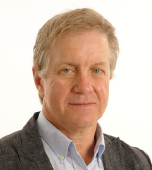
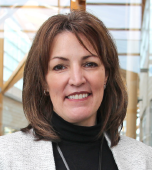
Dr. Andrew P. Dean, Chair, Board of Directors TBRHRI and Dr. Rhonda Crocker Ellacott, President and CEO, TBRHSC, and CEO, TBRHRI
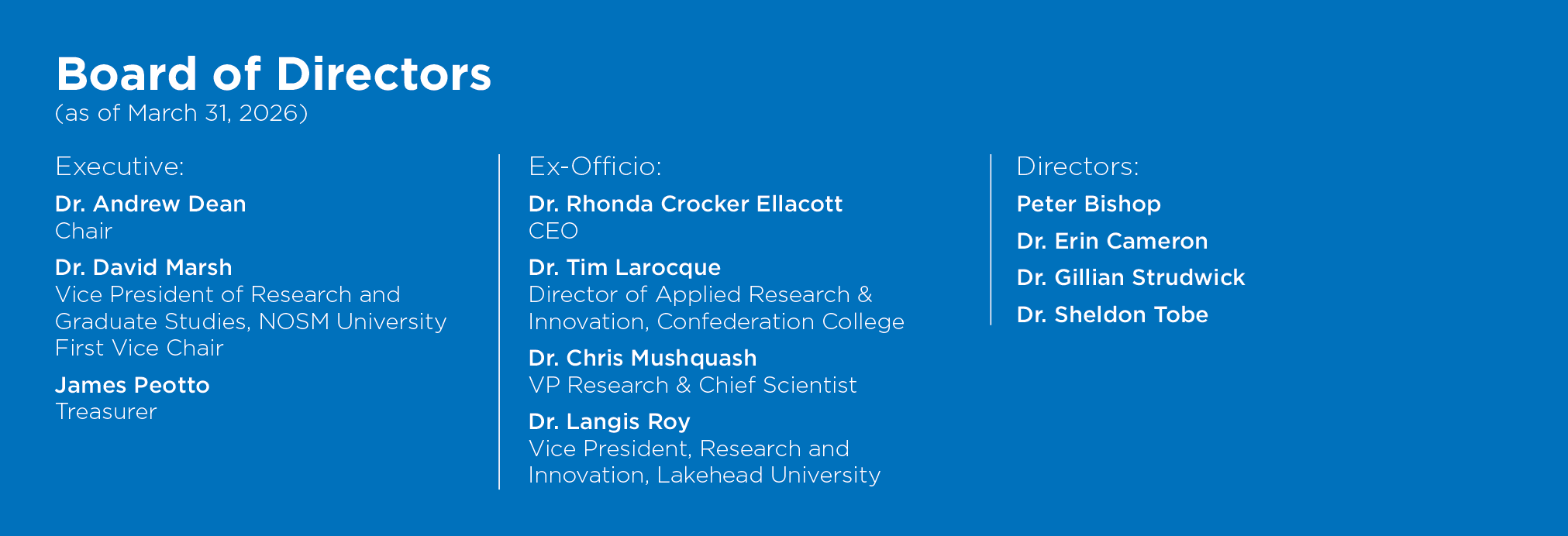
Board of Directors
Scientists
Chief Scientist, Dr. Christopher Mushquash, Ph.D
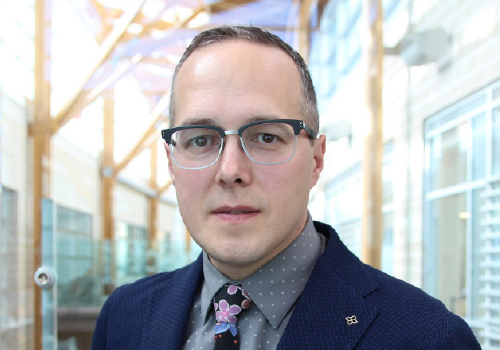
Dr. Christopher Mushquash, HBSc., M.A., Ph.D., LL.D. (h.c.), FRSC, C.Psych. (Ontario), is Anishinawbe (Ojibway), and a member of Pawgwasheeng (Pays Plat First Nation). He was born and raised in rural Northwestern Ontario. He is a Full Professor in the Department of Psychology at Lakehead University and NOSM University. Dr. Mushquash is Vice President Research at the Thunder Bay Regional Health Sciences Centre, Chief Scientist and Chief Operating Officer at the Thunder Bay Regional Health Research Institute, and Director of the Centre for Rural and Northern Health Research at Lakehead University. He is a Tier 1 Canada Research Chair in Indigenous Mental Health and Addiction, with expertise in the development of culturally appropriate interventions for mental health and addiction difficulties in First Nations children, adolescents, and adults. His contributions to the field have been recognized with numerous honours. In 2025, he was named a Fellow of the Royal Society of Canada (2025) and received an honorary Doctor of Laws from Ontario Tech University.
Dr. Mitchell Albert, Ph.D
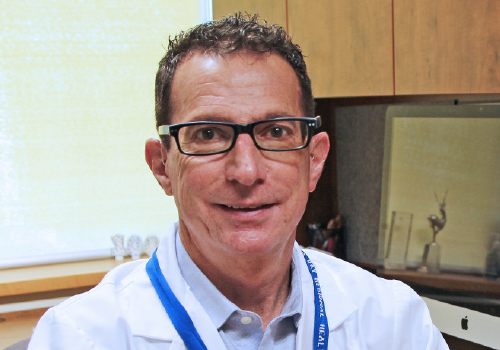
Dr. Mitchell Albert is the Lakehead University/Thunder Bay Regional Research Institute Research Chair, Professor in the Lakehead University Department of Chemistry, and Adjunct Professor in the Lakehead University of Physics, Biotechnology, Biology, and Health Sciences. He is a specialist in the field of hyperpolarized (HP) noble gas MRI, a technology that he co-invented as a graduate student at Stony Brook University. Following his Ph.D., Dr. Albert joined the faculty of Harvard Medical School, and following Harvard he joined the faculty of the University of Massachusetts Medical School. Dr. Albert joined TBRRI and Lakehead University in Spring 2011.
Dr. Albert’s primary research focus is on applying HP helium-3 and HP xenon-129 MRI to image ventilation function in the airways and alveoli of the lungs. In addition, his group has been developing the following innovative imaging technologies: (1) HP xenon-129 functional MRI (xenon fMRI) of the brain; (2) HP xenon fMRI of stroke and traumatic brain injury; (3) HP xenon biosensor MR imaging of breast tumours; (4) HP xenon biosensor MRI for early detection of lung cancer; and (5) HP xenon biosensor MRI for early detection of Alzheimer’s disease. Dr. Albert received the 1999 Presidential Early Career Award for Scientists and Engineers (PECASE) from President Clinton, and the NSF Career Award in 2001 for his work with HP gas MRI.
Dr. Michael Campbell, Ph.D
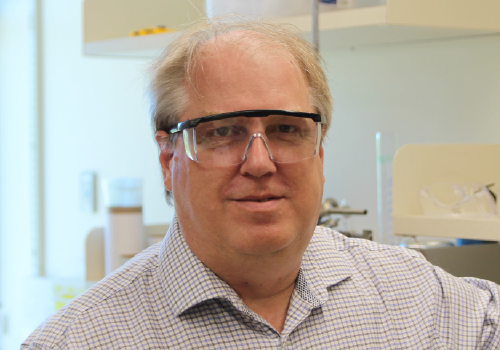
Dr. Michael Campbell is the Lakehead University – TBRHRI Research Chair in Radiochemistry for Molecular Imaging and Advanced Diagnostics. He earned his Ph.D. from the University of Waterloo and his B.Sc. from the University of New Brunswick.
Dr. Campbell has held a number of key positions in both academic and industry settings, including Director of Cyclotron Operations at the Thunder Bay Regional Health Research Institute, Associate Director of Medicinal Chemistry at AtheroGenics, Group Leader at Athersys Inc., and Senior Scientist at PPD Discovery.
Dr. Jinqiang Hou, Ph.D
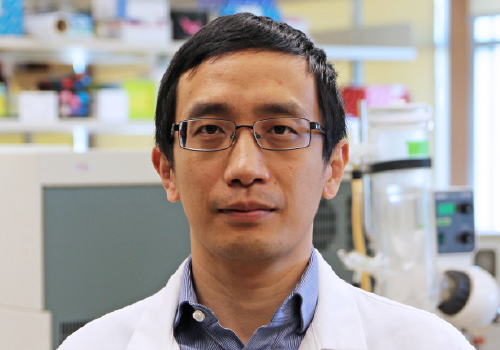
As a scientist, Dr. Jinqiang Hou’s passion lies in the development of innovative molecules that function as both therapeutic agents and diagnostic imaging tools. After earning a Ph.D. in Medicinal Chemistry from Sun Yat-sen University in 2012, Dr. Hou pursued postdoctoral training at the University of South Australia, London Health Sciences Centre, and Western University. Prior to current roles at Lakehead University and the Thunder Bay Regional Health Research Institute, Dr. Hou gained experience as a research scientist at Toronto Research Chemicals. Their research primarily focuses on the discovery of potential drug candidates for cancer treatment and the creation of Fluorine-18 labeled compounds for potential application in cancer imaging using PET. The research approach is inherently interdisciplinary, integrating aspects of basic chemistry research and translational biomedical research to effectively target cancer-promoting biomarkers.
Dr. Alla Reznik, Ph.D
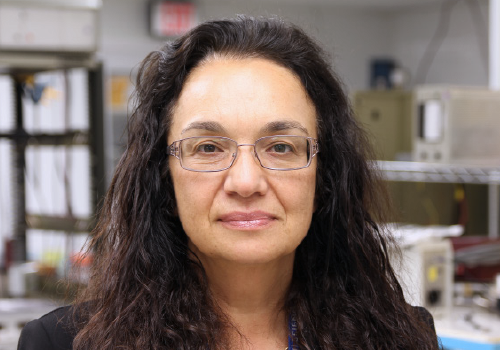
As a Canada Research Chair in Physics of Molecular Imaging, Dr. Alla Reznik leads the development and execution of a medical imaging research program. This requires a broad range of integration and collaboration with interdisciplinary academia and industry – from physics to engineering to commercialization. Dr. Reznik is also a senior scientist at the Thunder Bay Regional Research Institute, where she leads a research program in biomedical imaging. At Lakehead University, she is an associate professor in physics, where she leads the research team who developed the Positron Emission Mammography (PEM). PEM is a ground-breaking, solid-state technology for molecular breast imaging. In order to create the PEM detector technology, Dr. Reznik uses ORION’s network to quickly analyze a massive amount of image-based data through the high performance computing facility SHARCNET. The potential of PEM can significantly improve breast cancer diagnosis, reduce the need for breast biopsy and better women’s health and breast cancer survival. Furthermore, the PEM system has been commercialized to be manufactured and sold by Radialis Medical. The benefits of this are twofold: Thunder Bay’s region can then offer women access to clinical trials at the Thunder Bay Regional Health Sciences Centre. Secondly, the commercialization of PEM can extend cancer research, employment and training opportunities to professionals and students in Thunder Bay, adding to the economic strength of the region.
Associate Scientists
Dr. Viktoriia Batarchuk, Ph.D
Dr. Guillem Dayer, Ph.D
Dr. Brianne Wood, Ph.D
Research Seed Funding Competition
The Research Seed Funding Competition aims to support promising health research that enhances outcomes and builds capacity while also helping researchers apply for external funding. The funding focuses on health care research that is relevant to the residents of our region, emphasizing areas such as basic science, clinical research, social inquiry, humanities, or other health research that addresses patient needs at Thunder Bay Regional Health Sciences Centre and across Northwestern Ontario.
“Understanding Lived Experiences and System-Level Perspectives on Access to Primary Reproductive Care in Northwestern Ontario: An Equity-Centred Learning Health System Study”
Primary Applicant:
Brianne Wood, PhD, Associate Scientist TBRHRI and NOSM University
Co-Investigators:
Kirsty Bourret, Registered Midwife, Clinical Scientist TBRHRI & NOSM University
Laija Beaulieu, Research Assistant Lakehead University/TBRHRI
Dominique McGoey, Doula, Thunder Bay
Background: Limited access to primary care in Northern Ontario contributes to fragmented reproductive care, delayed intervention, and preventable hospital visits. Although attachment to a primary care provider is often assumed to equate to access to reproductive care, this relationship remains underexplored in Northern contexts. As an academic health sciences centre committed to patient- and family-centred care, research, and innovation, Thunder Bay Regional Health Sciences Centre (TBRHSC) encounters the downstream effects of limited access to primary reproductive care across Northwestern Ontario.
“Regional Disparities in Trauma Outcomes: A Population-Based Comparison of Northern and Southern Ontario Using ICES Data”
Primary Applicant:
Dr. Aaron J. Ruberto, MD, MSc, FRCPC Assistant Professor Department of Critical Care Thunder Bay Regional Health Sciences Centre
Co-Investigators: Dr. Pierre-Marc Dion, MD Graduate Student Master of Medical Studies Program (MMS) NOSM University
Background: Trauma is the leading cause of productive life years lost in Canada. In Ontario, 72.6% of injury-related deaths occur out-of-hospital, and a significant proportion of in-hospital deaths occur at non-trauma centres without surgical intervention. Existing population-based analyses have employed broad rurality classifications and have not stratified outcomes by provincial region. Northern Ontario faces fundamentally different challenges, including vast transfer distances, weather-dependent air medical transport, and limited specialist access, yet the independent impact of Northern residence on trauma outcomes remains uncharacterized.
Year in Review
New partnership between Thunder Bay Regional Health Sciences Centre and the CNIC strengthens healthcare leadership in Northwestern Ontario
Thunder Bay Regional Health Sciences Centre is revolutionizing healthcare in northern Ontario by combining local isotope production, advanced PET/CT imaging, and comprehensive cancer services. This integrated approach provides patients with faster diagnostics and treatments while supporting research and training in nuclear medicine. Click here to learn more.
Lakehead Professors Among New and Renewed Canada Research Chairs
Dr. Christopher Mushquash and Dr. Alla Reznik have been recognized as Tier 1 Canada Research Chairs for their groundbreaking work at Lakehead University. Dr. Mushquash leads innovative, community-based research in Indigenous mental health and addiction, combining academic and Indigenous knowledge to improve care and policy. Dr. Reznik is advancing cancer detection through low-dose PET imaging technology, enhancing diagnostic accuracy and patient outcomes. Click here to learn more.
Promising drug discovery research gets funding boost from Ontario Institute for Cancer Research
Dr. Jinqiang Hou and Dr. Guillem Dayer are making significant contributions at Lakehead University and Thunder Bay Regional Health Research Institute. Their research is advancing medicinal chemistry and cancer imaging, while driving innovation in neuroscience and mental health. Their work strengthens biomedical research capacity in northern Ontario and enhances patient care through scientific discovery. Click here to learn more.
Thunder Bay Researcher Co-Leads $10.8M National Project to Improve Indigenous Youth Mental Health
Dr. Chris Mushquash is co-leading a national initiative to improve Indigenous youth mental health, securing major funding to build a network that delivers culturally grounded, accessible, and responsive care. This collaboration empowers Indigenous communities, nurtures future leaders, and integrates Indigenous knowledge into youth mental health services across Canada. Click here to learn more.
Video: Sustainable Future
Highlights
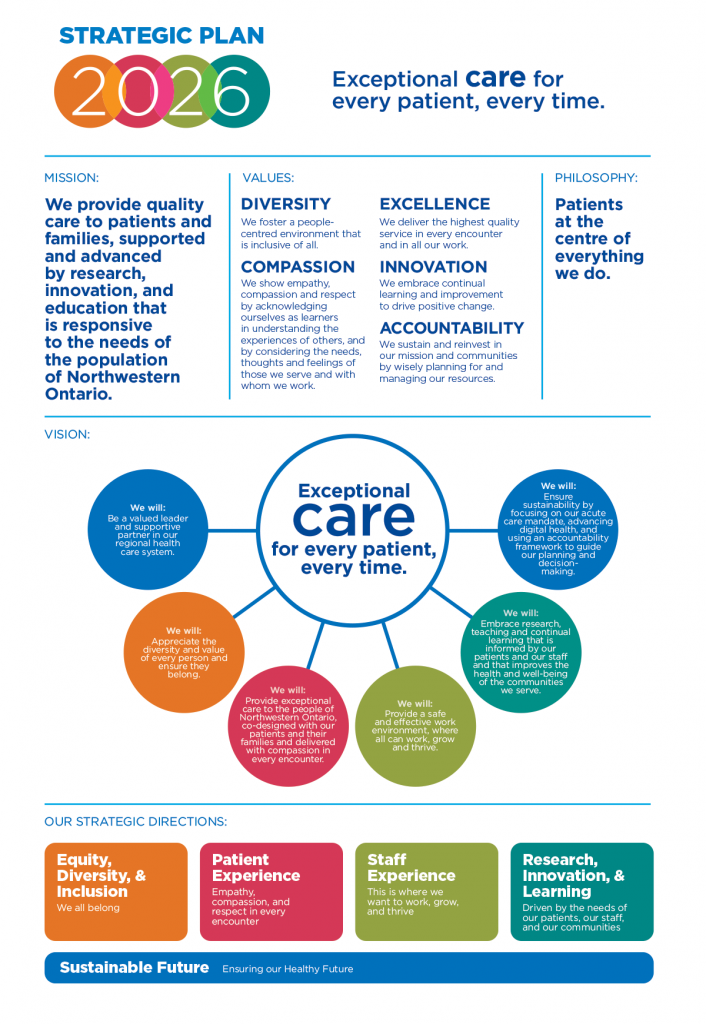
Equity, Diversity & Inclusion – We all belong
Implementing Cultural Safety Training
As part of the Equity, Diversity, and Inclusion (EDI) pillar of our strategic plan, this overview highlights recent organizational progress in staff training targets and cultural safety planning. Key achievements include meeting staff training goals and launching a collaborative action plan to support cultural safety across the organization. These efforts feature centralizing training resources, fostering partnerships for implementation, and building foundational components for future growth.
EDI Toolkit
Work on the EDI toolkit progressed from engagement to active development and early testing of tools. Feedback gathered earlier in the project directly informed content refinement, strengthened alignment with organizational priorities, and addressed identified gaps.
Patient Experience – Empathy, compassion and respect in every encounter
NODDING: Embedding Person-Centred Principles in Hospital Practice
As part of the Patient Experience pillar of the strategic plan, this overview highlights efforts to strengthen person centred communication and build patient trust. The organization is expanding on best practices by evolving the NOD (Name, Occupation, Do) protocol to NODDING (Name, Occupation, Do, Develop trust through Interacting, Noticing, and being Genuine). This approach aims to enhance patient-staff connections, boost trust, and foster a more compassionate care environment. The pilot implementation will assess feasibility, staff engagement, and impact before broader rollout.
Substance Use and Addictions
Throughout the month of November 2025, the Roaming Education for Staff (REFS), was focused on substance use health, hosting a Lunch and Learn and two Thought Leader Sessions, along with roaming education that included both the REFS team and a community partner. A total of 498 staff members participated in these initiatives.
Staff Experience – This is where we want to work, grow, and thrive
Staff Wellness Room
A dedicated wellness space is available for staff to relax, recharge, and refocus. Features include a massage chair, soft lighting, sound machine, yoga mat, adult colouring supplies, knitting/crocheting materials, and a quiet private area for mindfulness or breastfeeding.
The room is designed to help reduce stress and support mental and physical well-being, allowing staff to return to work feeling refreshed and focused.
Workplace Violence Prevention
The respectful workplaces poster was developed through a codesign process with multiple internal groups. Staff were invited to vote on campaign taglines during Occupational Health and Safety (OHS), ensuring the final messaging reflects staff
input and frontline relevance.
Research, Innovation, & Learning – Driven by the needs of our patients, our staff, and our community
The Good Morning Innovation: Pitch Event
This event provided a platform for early-stage and undeveloped ideas can be explored and celebrated. There were seven innovations presented, including 3D Printing: Bringing Health Care to Life, Voice of Care: Hospital Communication with VOCERA, The Patient Communication Calendar, and Beyond the Walls: Live Outdoor Stream for Patients. The next event will be held in November 2025.
Sustainable Future – Ensuring our Healthy Future
Electronic Health Record Project
Significant progress is being made on the Electronic Health Record project.
Clinical Services Plan
As part of the 2026 Strategic Plan, we have defined clear academic and hospital care mandates to ensure a shared understanding of our key priorities and focus areas for long term growth.
Publications
Click for the full library of publications.
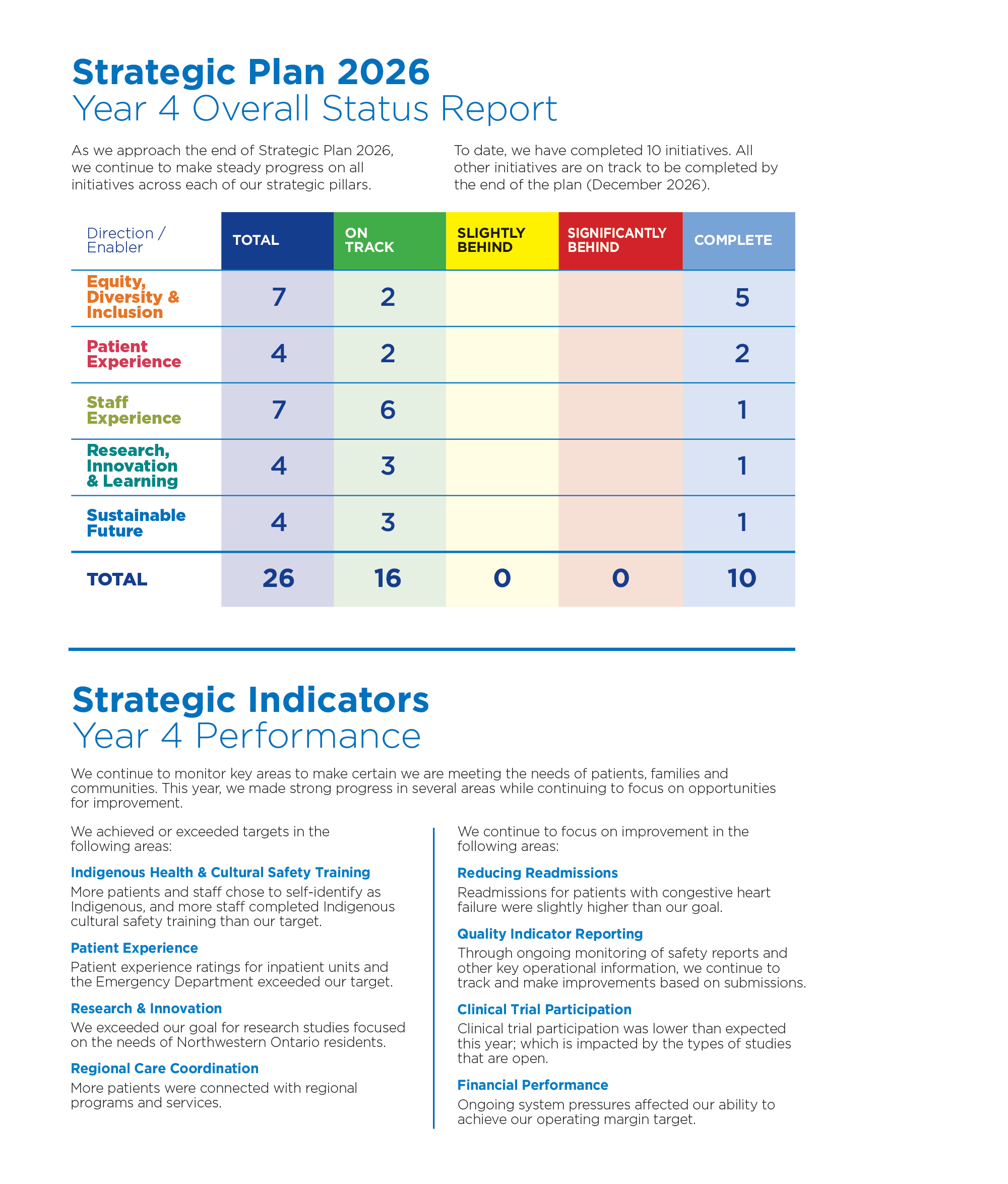
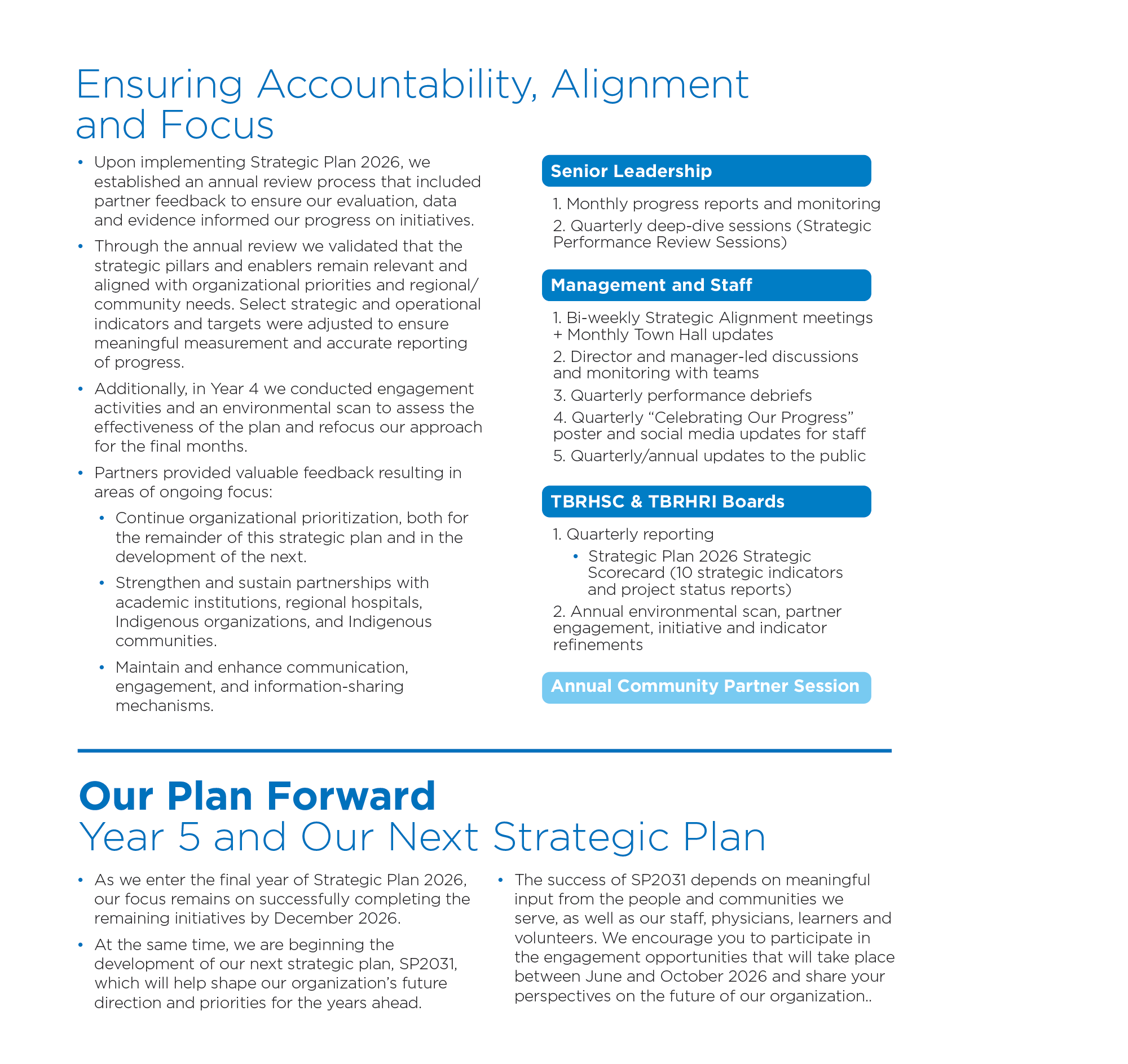
Strategic Plan 2026 – Year 4 Progress Report
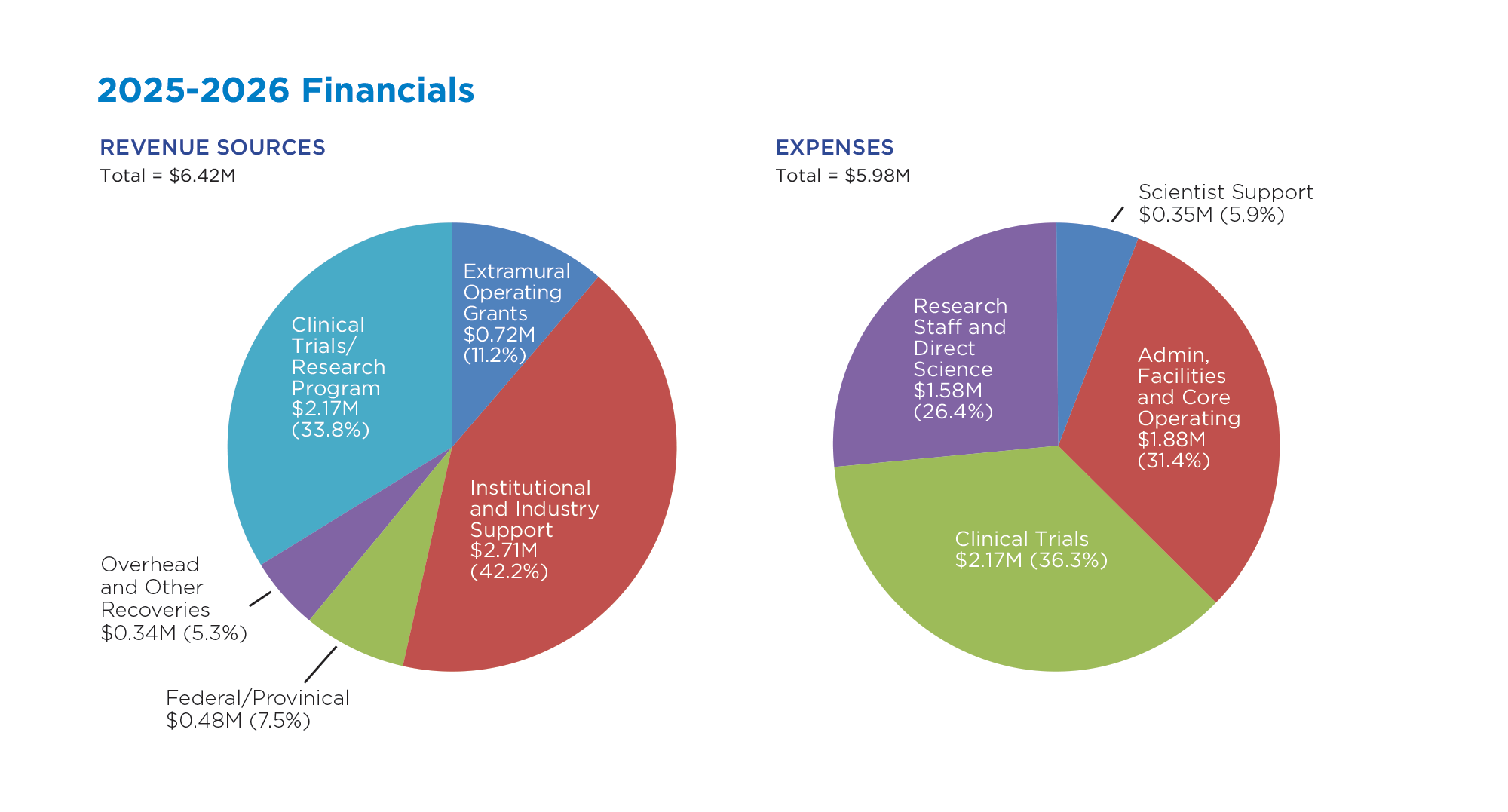
Financial Statements