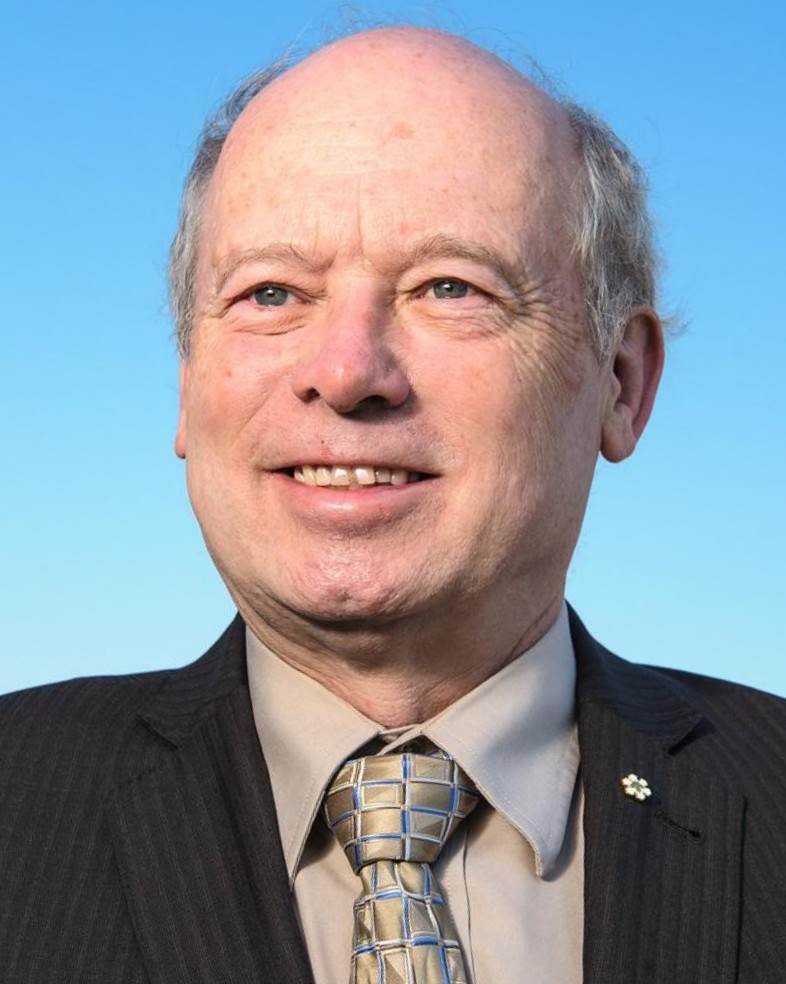
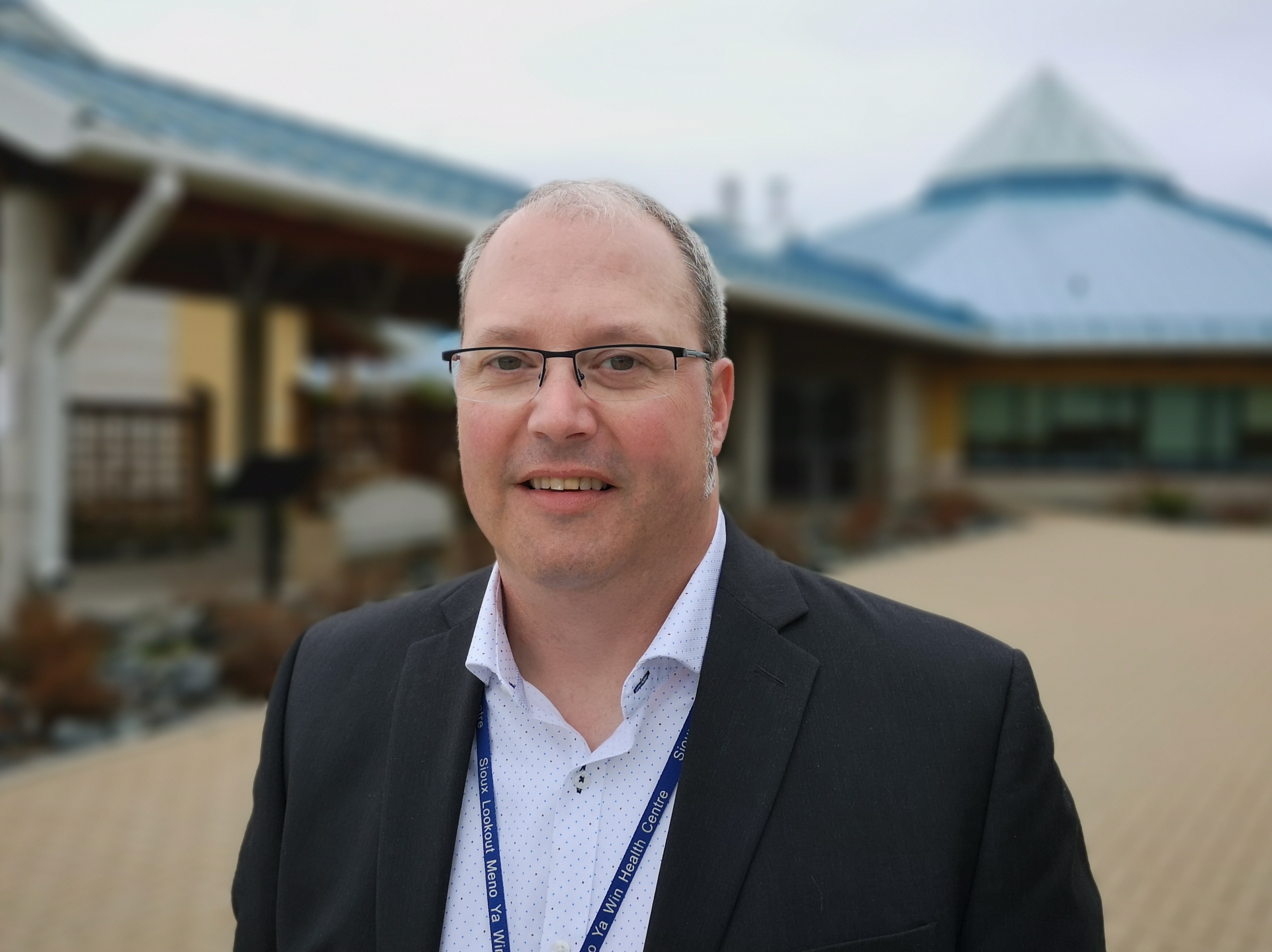
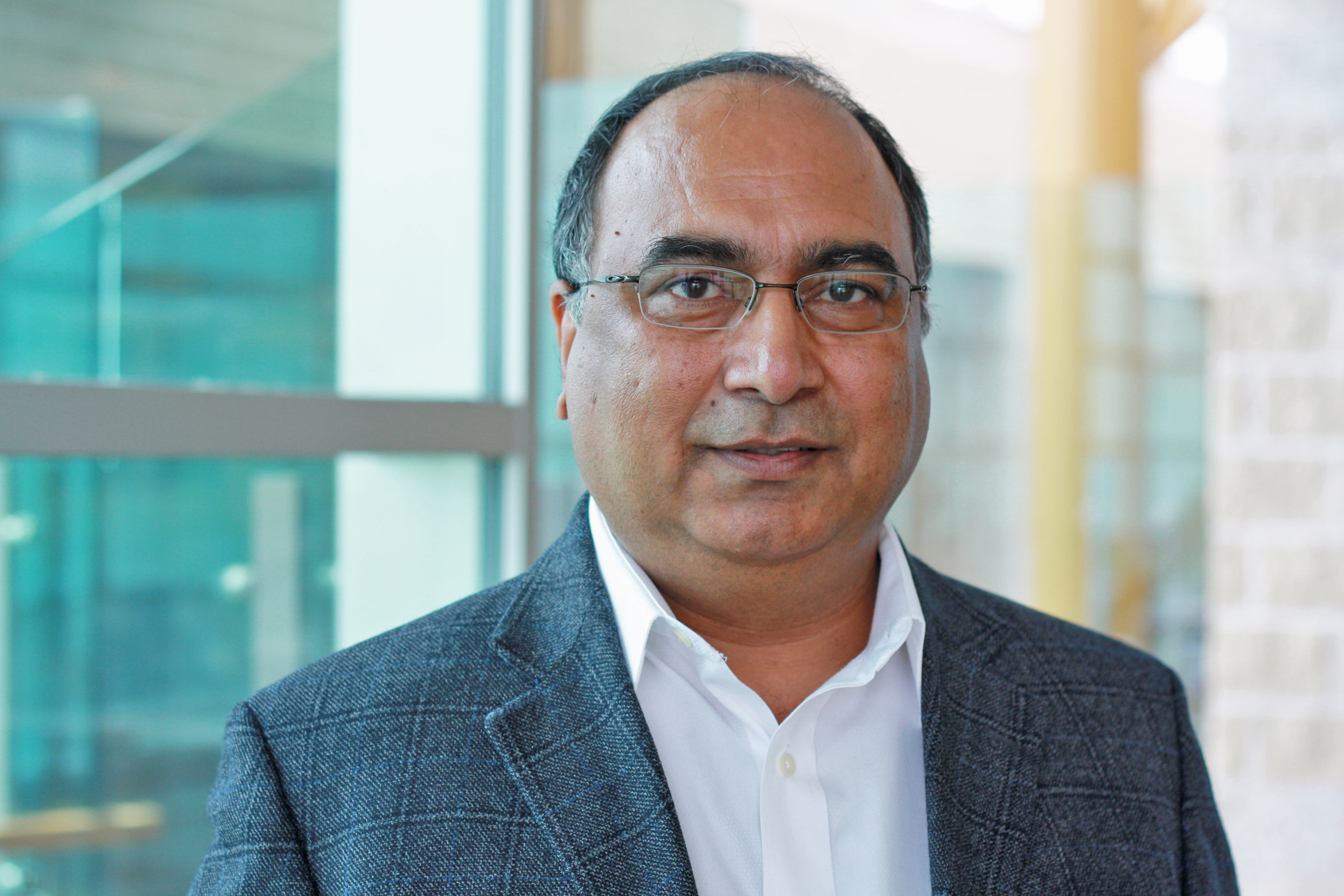
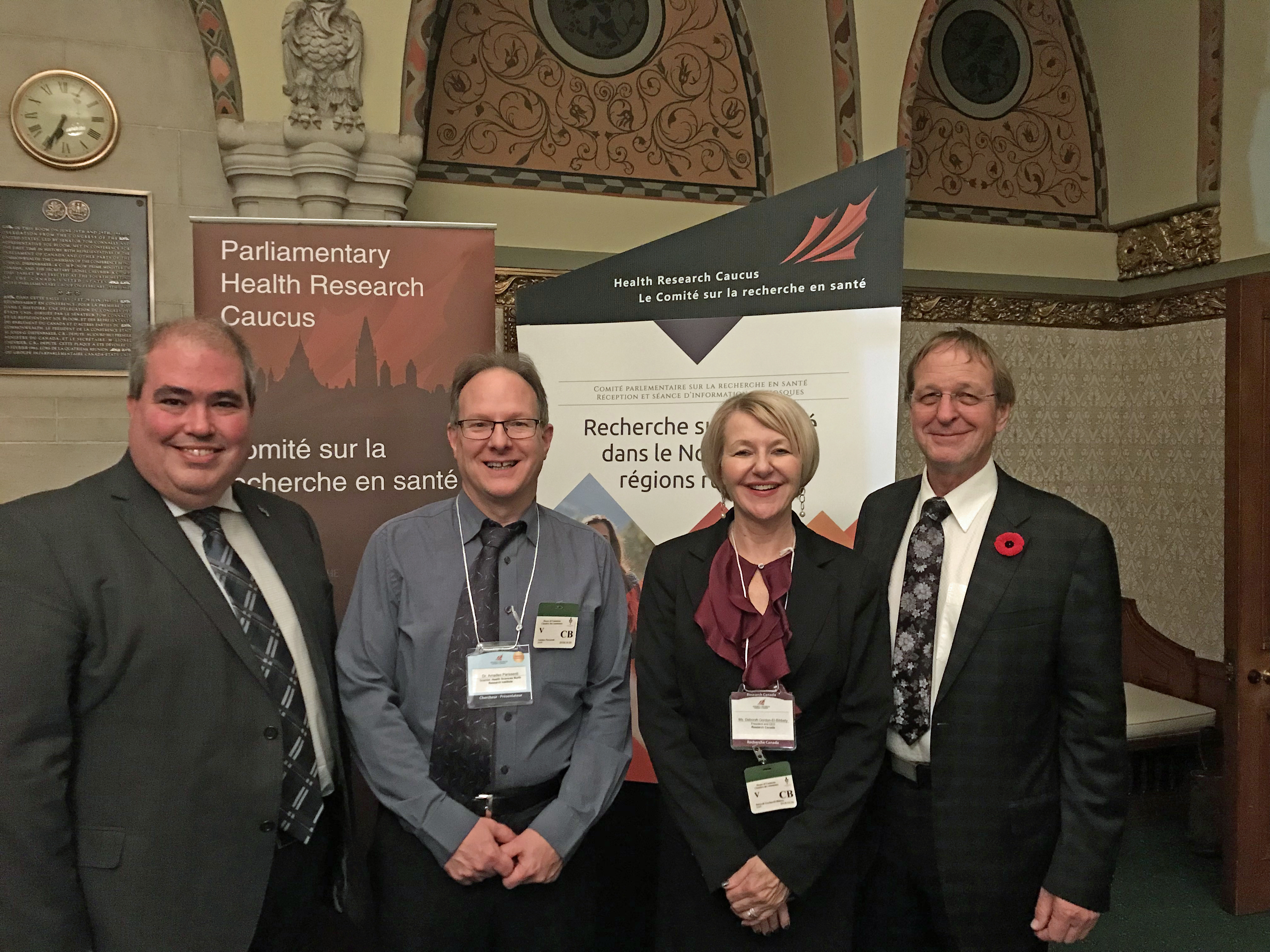
Jean Bartkowiak, President and CEO of the Thunder Bay Regional Health Sciences Centre and CEO of the Thunder Bay Regional Health Research Institute, represented both organizations at this year’s Northern and Rural Health Research in Canada reception in Ottawa on October 30th. Mr. Bartkowiak was there to address colleagues in health research, while bringing attention to the patient-centred research at our Hospital and Health Research Institute.
The Thunder
Bay Regional Health Research Institute is distinct. Until very recently, health
research facilities of this calibre would be housed in a major metropolitan
centre. Our Health Research Institute allows health research to grow in and
address the specific needs of a remote and rural environment. Indeed, our
scientists found that Thunder Bay’s size and status as a regional hub have
tremendous advantages, particularly access to collaborators.
We are able
to focus our research to address the health care challenges unique to our
region.
For example,
smart health technology research can assist in overcoming several of
Northwestern Ontario’s geographical barriers and cultural differences that
impact access to care and outcomes. It can help us streamline and improve
access to care so that we are able to provide the right care to the right
person at the right time, no matter where they live in the region.
Northwestern
Ontario is home to about 250,000 people scattered over an area the size of
France. This includes 69 First Nation communities, more than 30 of which are
very remote, with no road access.
Access to
health care services can be difficult; so difficult that some people go
without.
Today’s
patients’ experience, although not as dramatic, is still very challenging.
Maureen Lux, in her well researched book, ‘Separate
Beds’, described our Indigenous forefathers’ experience with the health
system, stating: “Shipped from their
homes like spoiled cargo, patients often found themselves isolated by culture
and language, unable to understand their situation, their treatments, or their
prognosis”.
Today, we can
consider Angela Moonias, a fictional person who represents many real
individuals. Angela lives in Marten Falls First Nation, a community of about
330 people, located 500 kilometers northeast of Thunder Bay.
Angela is 67
years old, and looks after her husband, whose leg was amputated as a result of
diabetes. In Northwestern Ontario, indigenous people are three times more
likely to have a limb amputated. She
also cares for four of her young grandchildren, because their parents are
struggling with addictions. Addiction rates in First Nations communities in
northwestern Ontario are higher than anywhere else in Ontario; some communities
have 80% addiction rates.
Angela has a
pacemaker, the result of cardiovascular disease; yet another chronic disease
with higher rates in our region. Every six months, Angela has to have a routine
check on her pacemaker. For her, this means completing several forms to secure
travel approvals from Non Insured Health Benefits department.
It also means
she has to make extensive and sometimes complex travel and accommodation
arrangements and ensure other community members care for her husband and
grandchildren while she is away.
Angela will
travel on a small plane for five hours, stopping in another community along the
way, changing planes in Sioux Lookout, and finally arriving in Thunder Bay two
hours later. That is, if the weather is ideal and the planes leave. If it
isn’t, she will miss her appointment with her specialist and have to start all
over again at a later date.
In Thunder
Bay, Angela faces language and cultural barriers as well as related social
stigma. She is scared because she does not understand the complicated health
care system, doesn’t know who will pick her up at the airport, and is
overwhelmed by the size of and activity at our Hospital. She can’t help but
think of her experience in residential school, and the abuses she suffered at
the hands of people who were supposed to care for her.
She is
worried that someone will forget to get her grandkids their breakfast. She
wishes she could be at home.
Our Health
Research Institute is working for Angela, and those with stories like hers.
With a focus on meeting the needs of the people of northwestern Ontario, and on
smart health technology, we will make a different, better future for Angela.
We can see a
day, not too far away, when Angela can go about her day, caring for her family,
in her own community, while her pacemaker broadcasts data to our Hospital.
We see a
positive future when Angela and her husband may use a phone app to better
manage their diet for diabetes and cardiovascular problems, thus preventing
further complications such as another amputation.
We see a day
when Angela’s grandchildren will have access to digital health solutions
including effective diagnostics, meaningful education, and enhanced distance
health.
We see a day
when this is possible because her community is finally equipped with the
high-speed internet that we all take for granted every day.
We see
technology as a holistic component of health care for rural and remote
communities and their residents.
We see
improved access to and outcomes of health care.
We see
efficiencies and synergies.
We see better
ways to support this research.
We see an
opportunity to secure funding, to partner with other institutions, to engage
clinicians, and to cooperate with Indigenous community leaders to conduct
impactful research.
We
see Angela and her family, and we are inspired.